Destinations
Every departure is tied to a real place, not a generic itinerary — start with a region.
Region
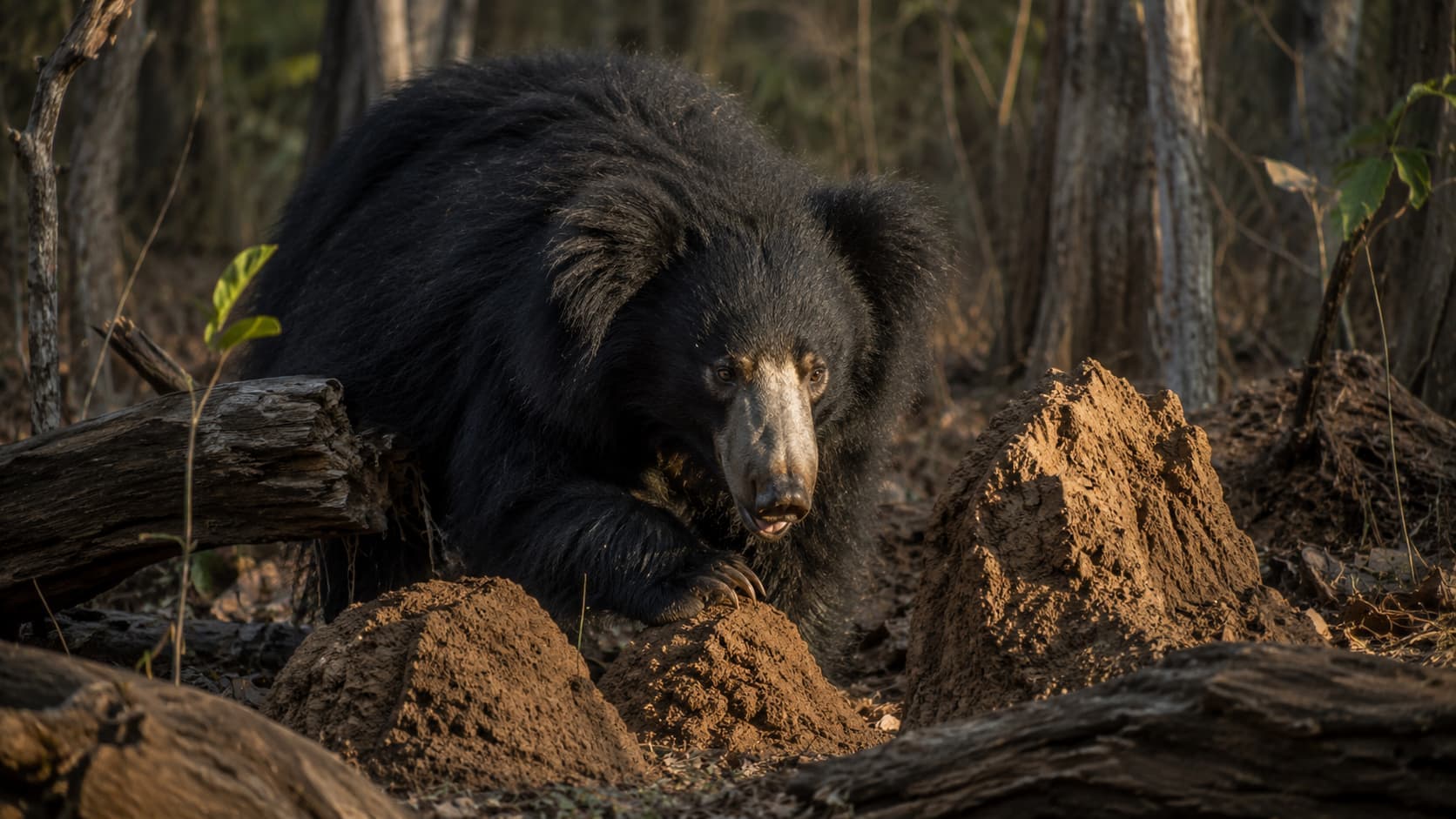
Nestled within the dry deciduous forests of northern Telangana, Kawal Tiger Reserve spans over 2,000 sq km, including its core and buffer zones, and forms an important wildlife corridor connecting central India's tiger landscapes with the forests of Maharashtra. Dominated by teak, bamboo, and mixed deciduous woodland, the reserve supports a rich diversity of mammals, birds, reptiles, and insects. Although tiger sightings are relatively rare compared to India's premier reserves, Kawal plays a crucial conservation role by providing habitat connectivity for dispersing tigers, leopards, dholes, sloth bears, and ungulates. The reserve offers visitors an authentic wilderness experience with tranquil forests, scenic streams, and opportunities for birdwatching, nature walks, and conservation-focused ecotourism.
2 Nights / 3 Days•2 Safaris
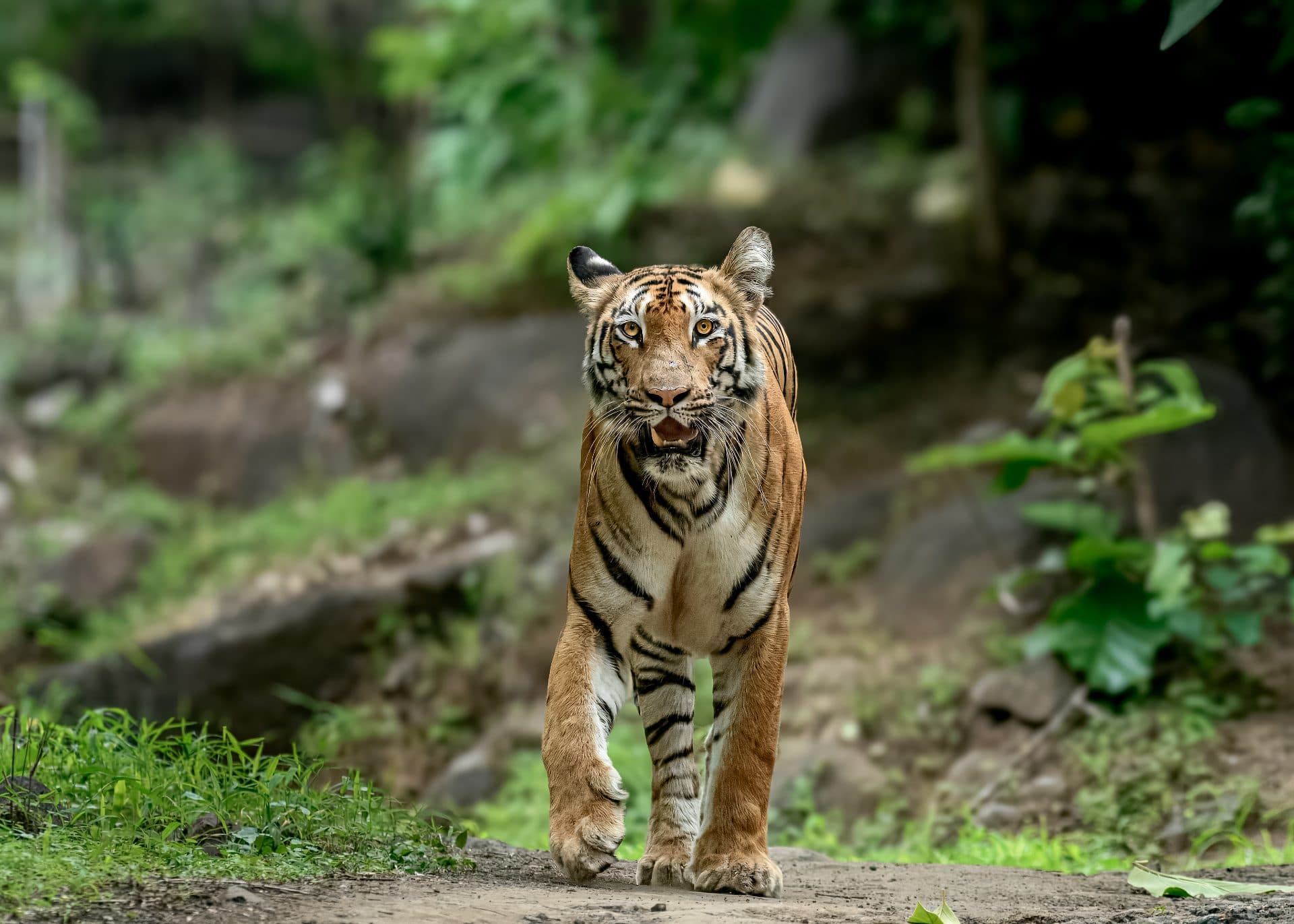
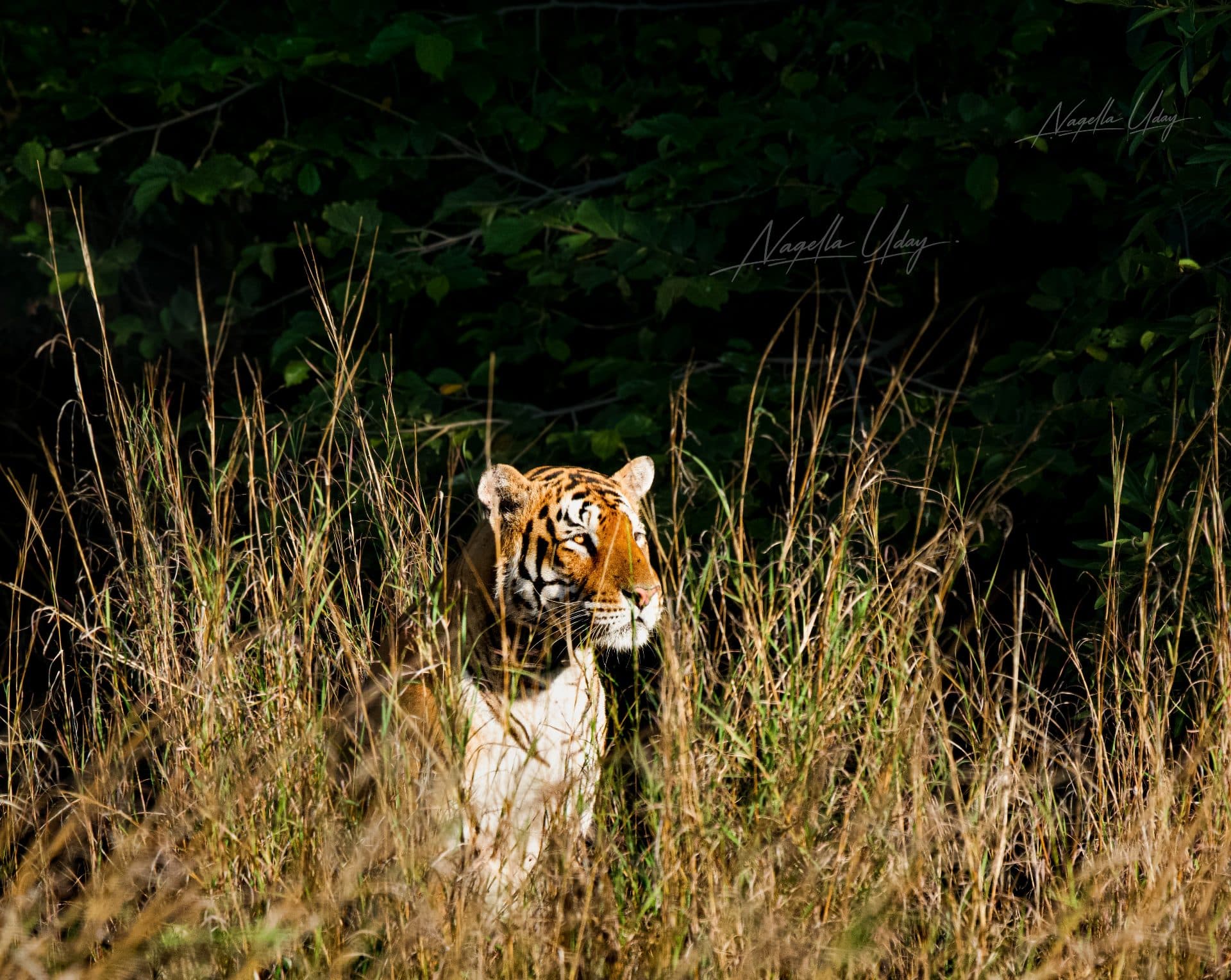
Located in the eastern Vidarbha region of Maharashtra, Tipeshwar Wildlife Sanctuary is a compact yet remarkably productive wildlife destination spanning approximately 149 sq km. Despite its relatively small size, Tipeshwar has earned a reputation as one of Maharashtra's best places for tiger sightings due to its healthy predator population, open dry deciduous forests, and extensive network of safari tracks. The sanctuary is characterized by teak forests, bamboo patches, grasslands, rocky hills, and seasonal waterholes that sustain a rich variety of wildlife throughout the year. Often referred to as a "hidden gem" among wildlife photographers, Tipeshwar offers intimate safari experiences with fewer vehicles than larger tiger reserves. In addition to Bengal tigers, visitors frequently encounter leopards, sloth bears, nilgai, sambar deer, wild boar, and more than 180 species of birds, making it an exceptional destination for wildlife enthusiasts and nature photographers.
2 Nights / 3 Days•4 Safaris
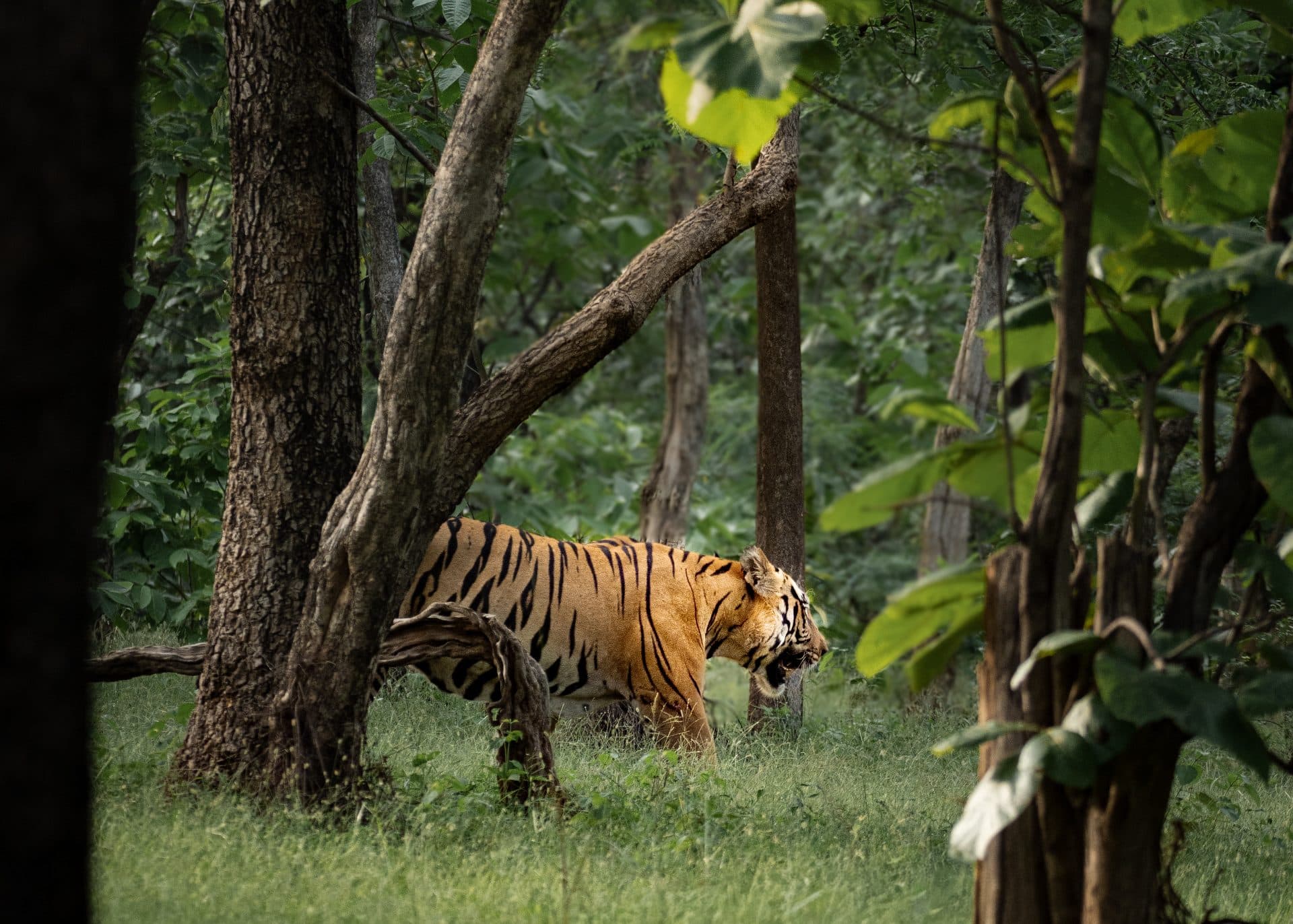
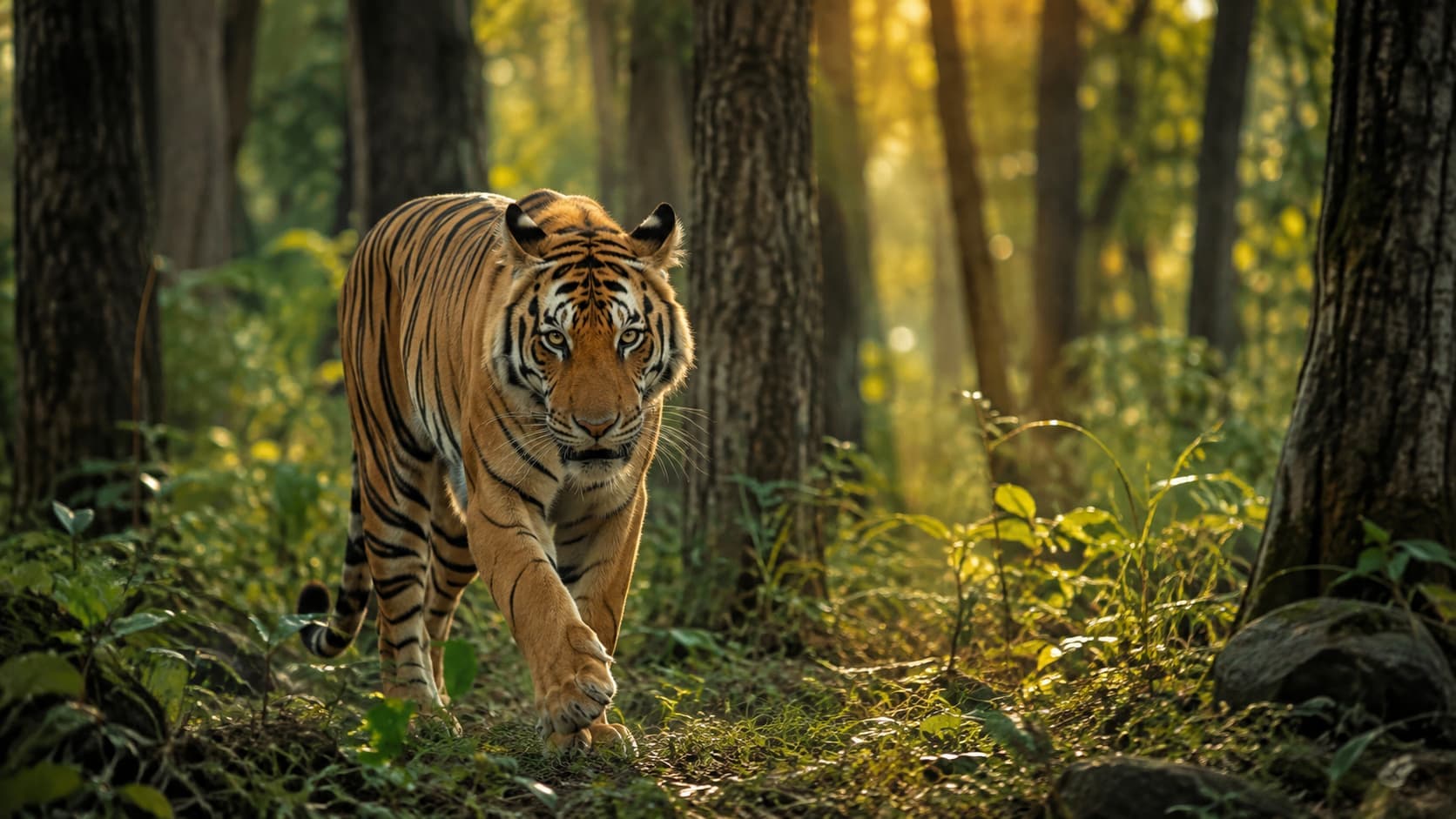
Located in eastern Maharashtra, Tadoba-Andhari Tiger Reserve is the state's oldest and most celebrated tiger reserve, spanning approximately 1,727 sq km across core and buffer forests. Named after the Tadoba Lake and the Andhari River that flow through its landscape, the reserve is characterized by dry deciduous forests dominated by teak, bamboo, grasslands, and numerous water bodies. Renowned for its exceptional tiger density and frequent sightings, Tadoba has become one of India's premier wildlife destinations for photographers and naturalists. Beyond its iconic tigers, the reserve supports a thriving ecosystem of leopards, dholes, sloth bears, gaur, marsh crocodiles, and over 280 bird species. Its well-managed safari zones, rich biodiversity, and successful conservation initiatives make Tadoba one of the finest examples of wildlife tourism and tiger conservation in India.
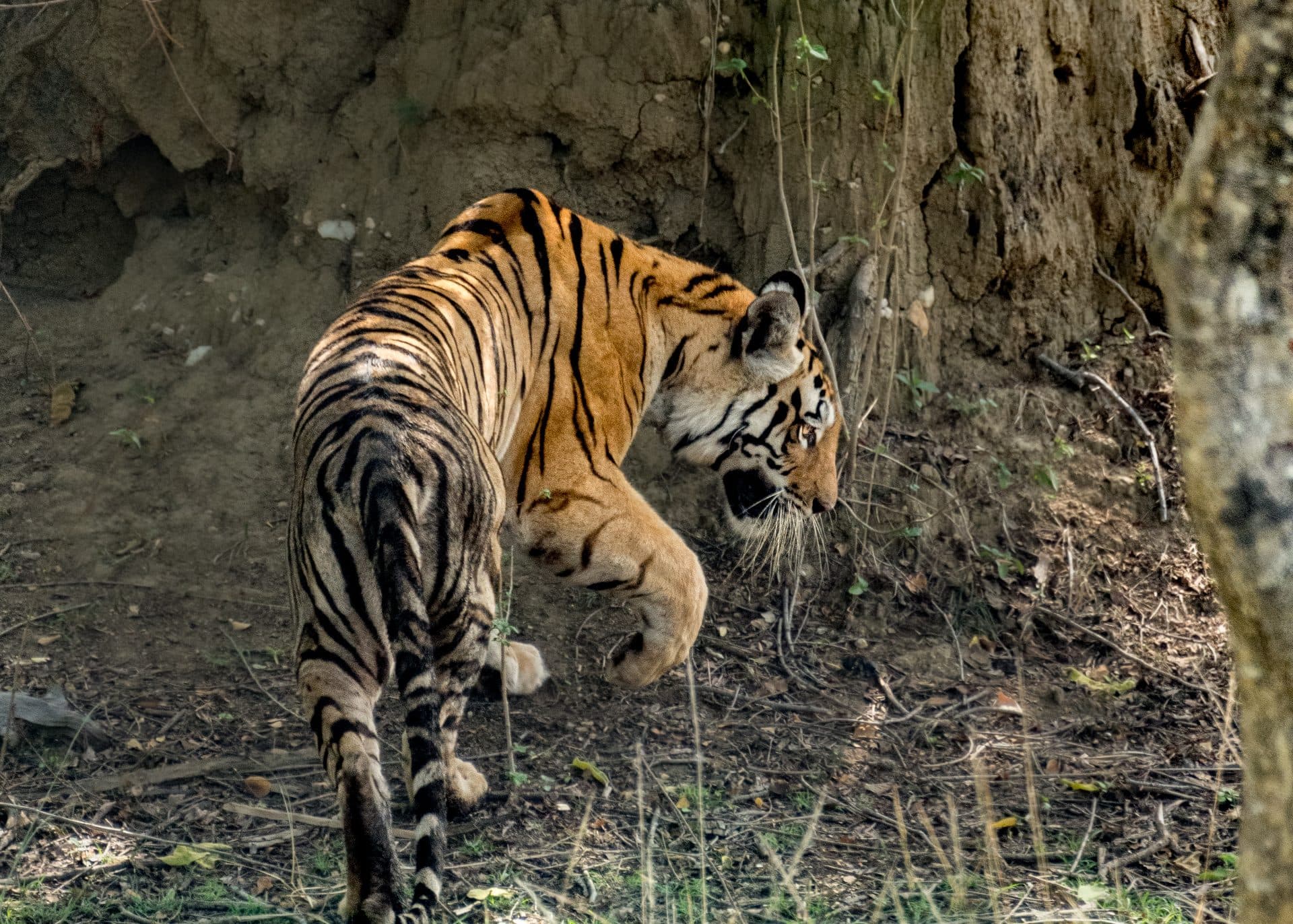
Straddling the states of Madhya Pradesh and Maharashtra, Pench Tiger Reserve is one of India's most scenic and biodiverse protected landscapes, covering over 1,179 sq km across its core and buffer zones. Named after the Pench River that meanders through its forests, the reserve is characterized by rolling hills, open teak forests, bamboo groves, grasslands, and seasonal streams. Pench is globally renowned as the inspiration for Rudyard Kipling's The Jungle Book, making it one of the country's most iconic wildlife destinations. The reserve supports a healthy population of Bengal tigers, leopards, dholes, sloth bears, Indian gaur, and more than 300 bird species. Its picturesque landscapes, excellent wildlife sightings, and thriving ecosystem make Pench a favorite destination for wildlife photographers, naturalists, and conservation enthusiasts.
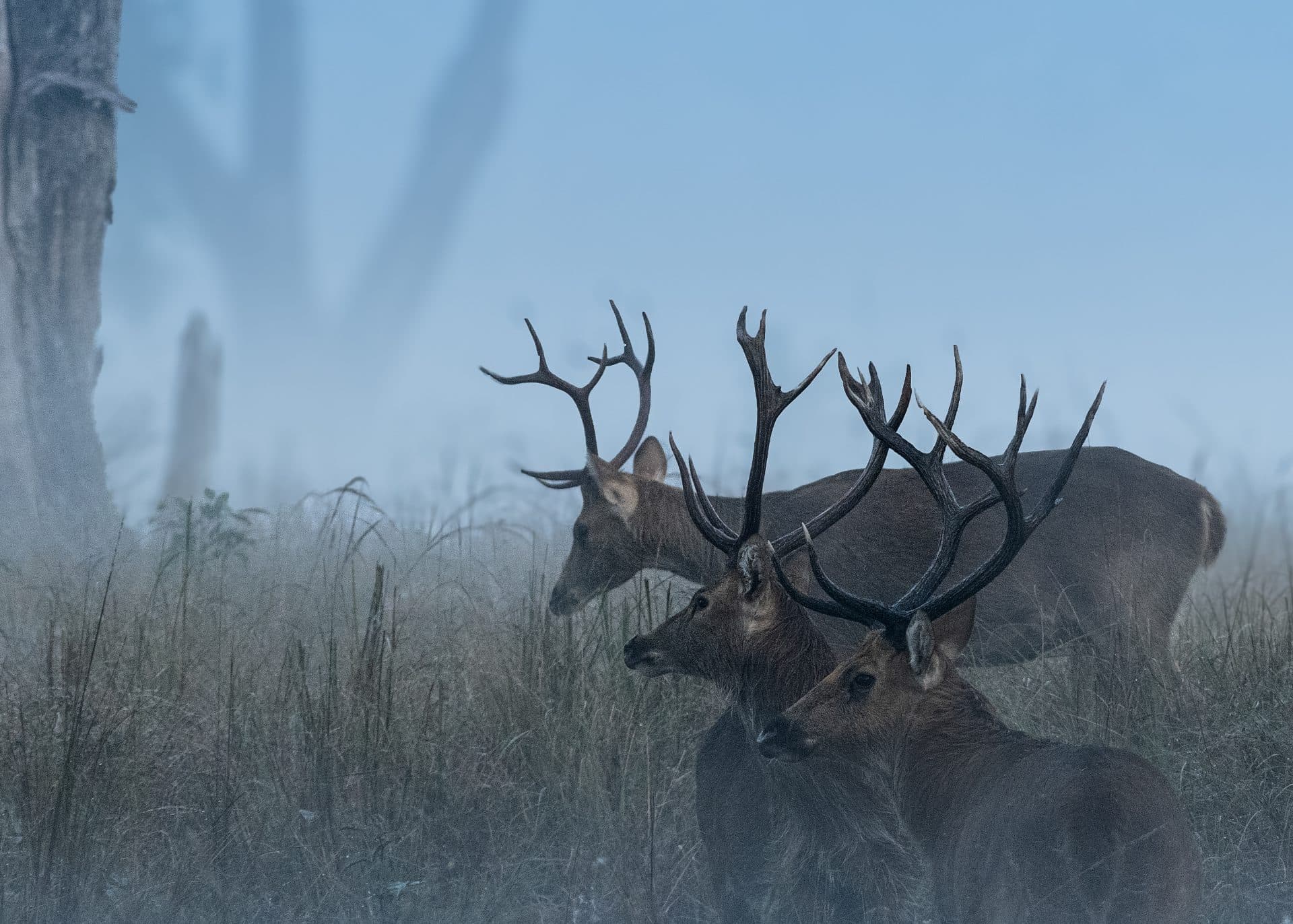
Kanha National Park, nestled in the heart of Madhya Pradesh, is one of India’s most celebrated wildlife destinations and a remarkable habitat for the Bengal tiger. Known for its vast sal forests, open meadows, bamboo groves, and rich biodiversity, Kanha offers an immersive jungle experience where every safari brings the possibility of unforgettable wildlife encounters. Beyond tigers, the park is home to leopards, sloth bears, wild dogs, gaur, barasingha, jackals, and a wide variety of birds. The iconic hard-ground barasingha, once close to extinction, is one of Kanha’s greatest conservation success stories, making the park a must-visit destination for wildlife enthusiasts and photographers.
Amrabad Tiger Reserve, nestled in the Nallamala forests of Telangana, is a wild and lesser-explored landscape known for its rugged terrain, dense forests, and rich biodiversity. A landscape where nature still feels raw and untamed, offering a unique experience for wildlife enthusiasts and explorers. Step into the wild, explore Amrabad, and experience the untamed side of the Nallamala forests.
2 Nights / 3 Days
Spread across the Vindhya Hills of Madhya Pradesh, primarily across the Umaria and Katni districts, Bandhavgarh Tiger Reserve covers a total area of 1,536 sq. km. This includes a 716 sq. km core area, comprising Bandhavgarh National Park and Panpatha Wildlife Sanctuary, along with an 820 sq. km buffer zone.
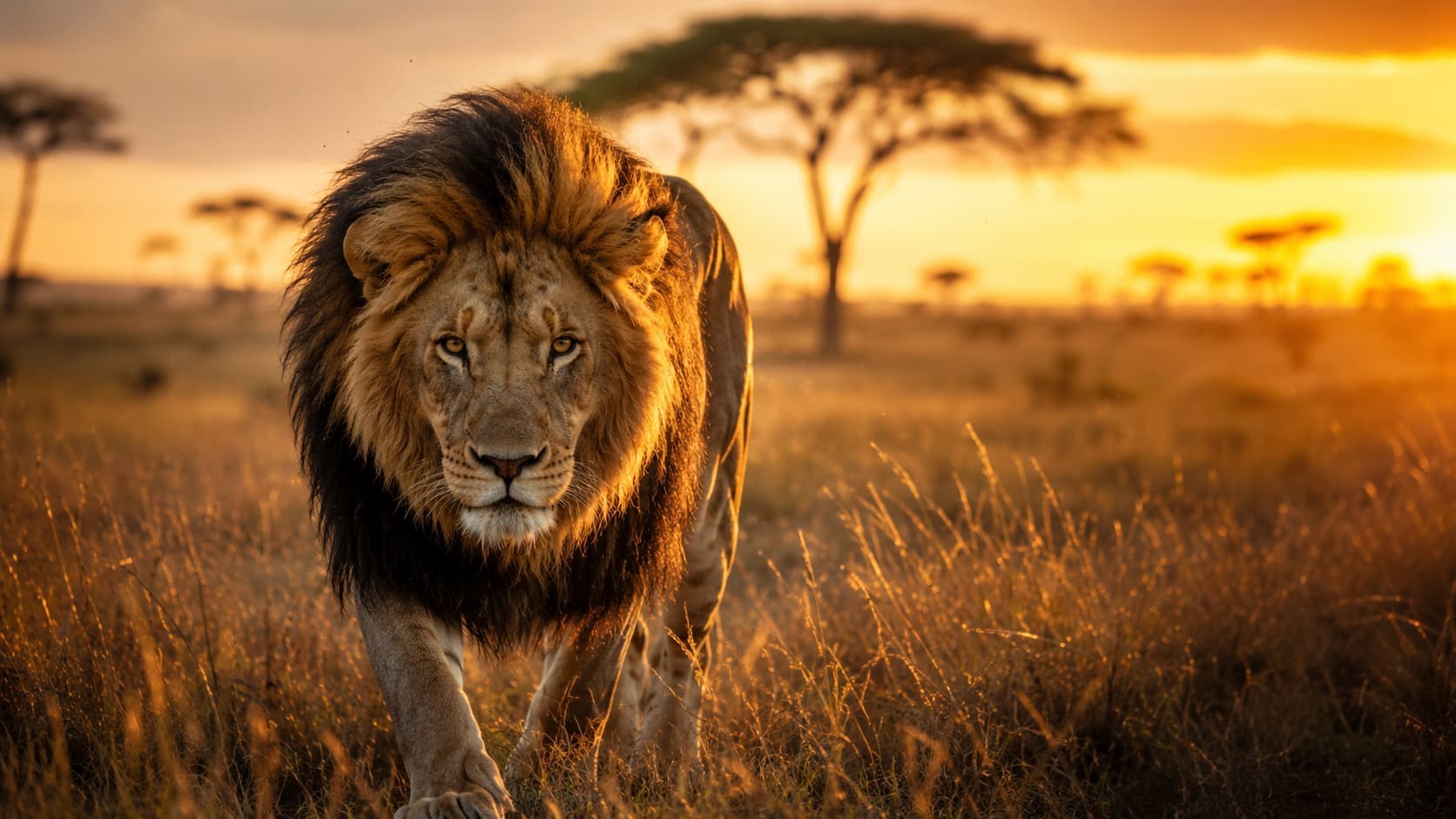
The Masai Mara National Reserve is one of Africa's most iconic wildlife destinations, covering approximately 1,510 sq km of vast open savannahs, acacia woodlands, rolling hills, and the legendary Mara River in southwestern Kenya. Forming a continuous ecosystem with Tanzania's Serengeti National Park, the reserve is world-famous for the Great Wildebeest Migration, during which more than two million wildebeest, zebras, and gazelles traverse the Mara River in one of nature's greatest spectacles. Masai Mara supports an extraordinary diversity of wildlife, including the Big Five, cheetahs, African wild dogs, hyenas, giraffes, crocodiles, and over 570 bird species. Renowned for its exceptional predator density, dramatic landscapes, and rich Maasai cultural heritage, the reserve offers some of the finest wildlife viewing and photographic opportunities anywhere on Earth.
2 Nights / 3 Days•6 Safaris
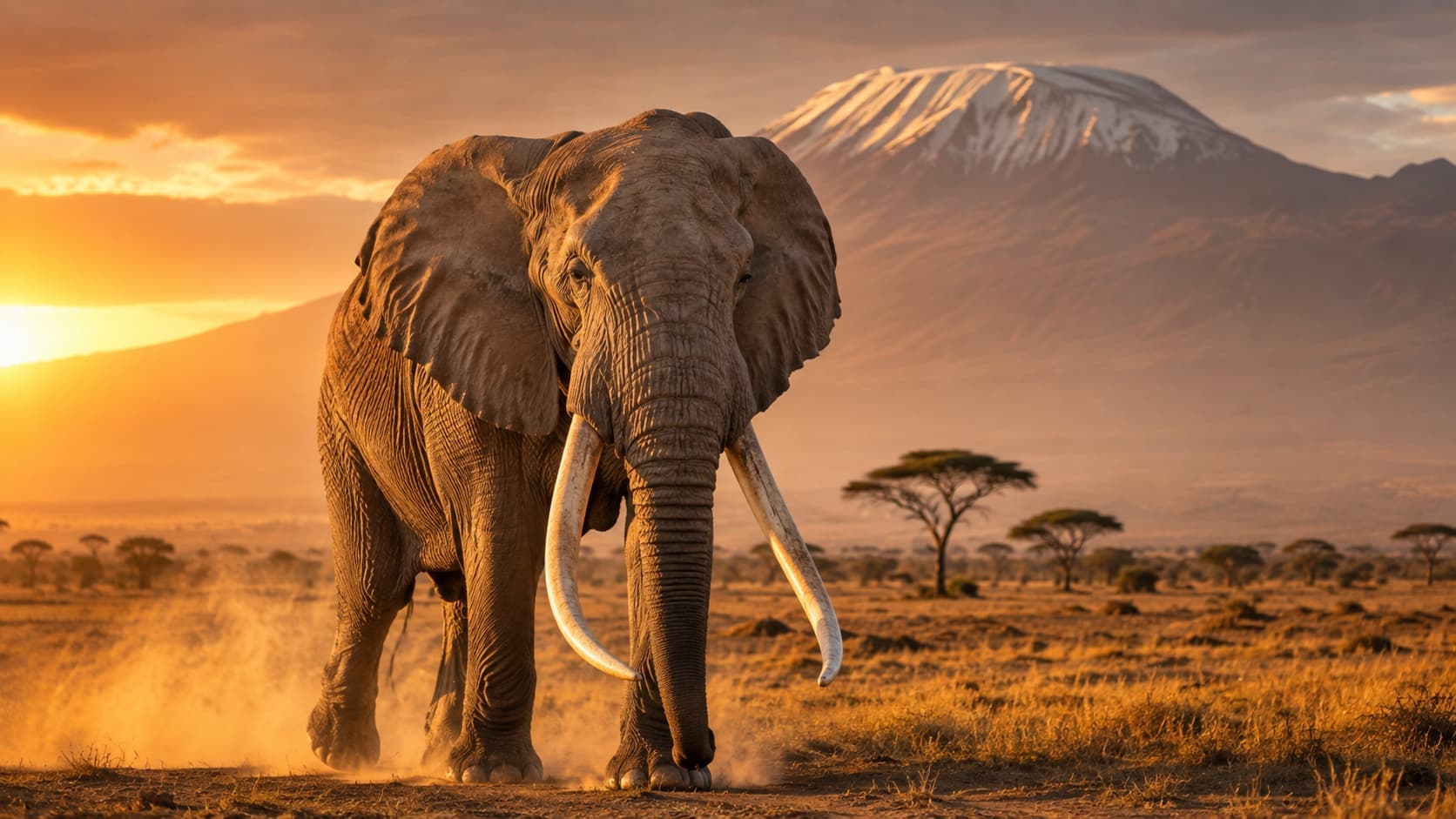
Amboseli National Park is one of Africa's most iconic safari destinations, spanning approximately 392 sq km in southern Kenya along the Tanzanian border. Celebrated for its breathtaking views of Mount Kilimanjaro, Africa's highest peak, Amboseli combines vast open savannahs, seasonal wetlands, acacia woodlands, and dry lake beds into one of East Africa's most photogenic landscapes. The park is internationally renowned for its large herds of free-ranging African elephants, many of which possess some of the longest tusks remaining in Africa. Beyond elephants, Amboseli supports thriving populations of lions, cheetahs, spotted hyenas, buffalo, giraffes, zebras, wildebeest, and over 400 bird species. With dramatic sunrises, spectacular mountain backdrops, and exceptional wildlife encounters, Amboseli offers one of the world's finest safari experiences for photographers and nature enthusiasts.
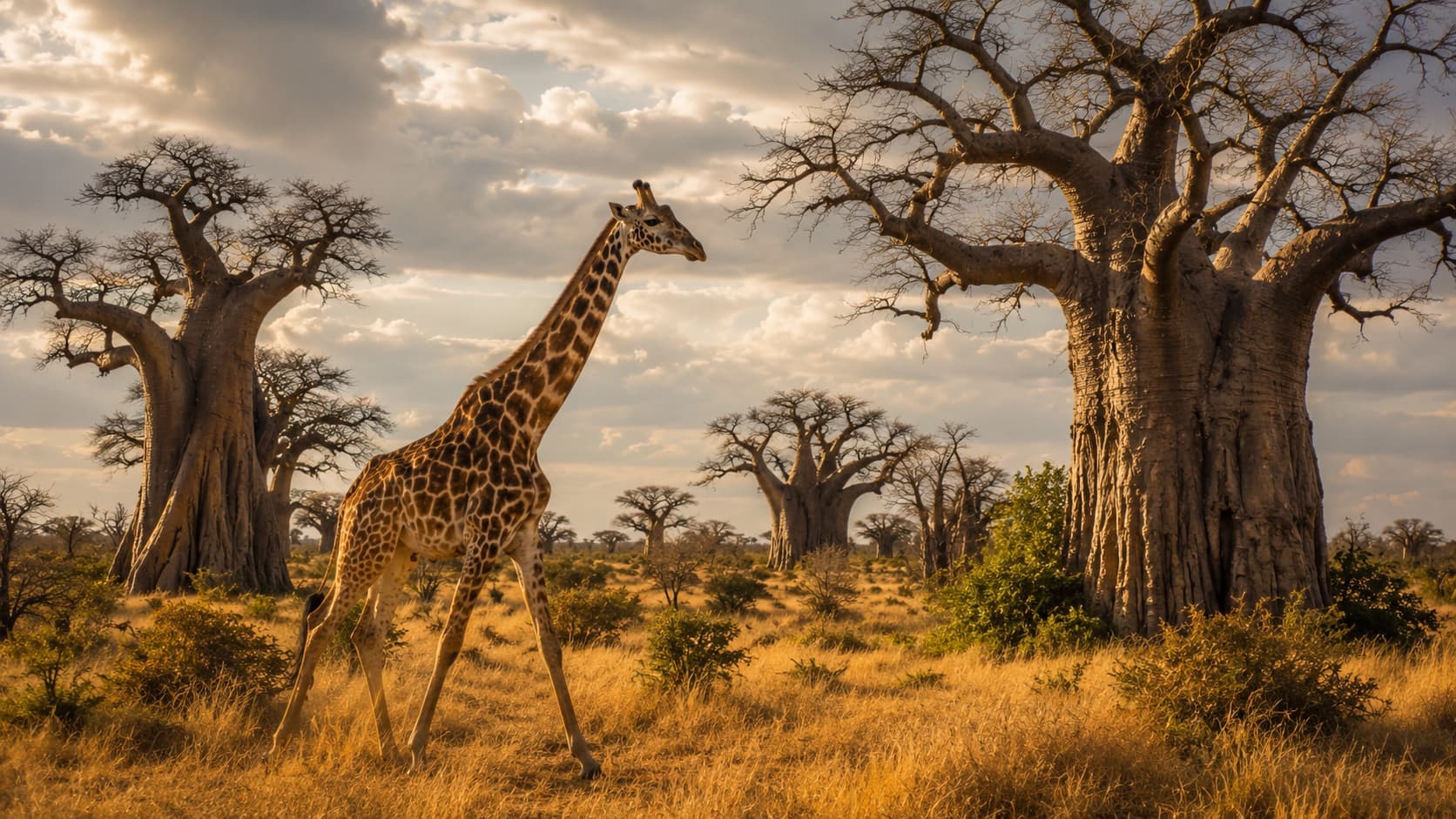
Tarangire National Park is one of Tanzania's most distinctive wildlife destinations, covering approximately 2,850 sq km in the heart of the northern safari circuit. Named after the life-giving Tarangire River, the park is renowned for its ancient baobab trees, expansive savannahs, seasonal swamps, acacia woodlands, and one of the highest concentrations of wildlife in East Africa during the dry season. Tarangire is particularly famous for its enormous elephant herds, with groups of several hundred individuals often gathering along the riverbanks. The park also supports healthy populations of lions, leopards, cheetahs, African wild dogs, giraffes, buffalo, zebras, wildebeest, and more than 550 bird species. Its iconic baobab-studded landscapes, exceptional elephant encounters, and relatively uncrowded safari experience make Tarangire one of Tanzania's most rewarding national parks.